By thegroundedpath
If you have a fitness tracker, chances are you’ve been haunted by that daily 10,000-step goal. Hit it, and you get confetti on your screen. Miss it, and you feel like a couch potato. But is 10,000 really the golden number?
Short answer: Not exactly. But also, kinda yes. Let me explain.
Where Did 10,000 Steps Even Come From?
Spoiler alert: It wasn’t cooked up by doctors or scientists. The 10,000-step goal originated from a 1960s Japanese marketing campaign. A pedometer company released a device called “manpo-kei,” which literally translates to “10,000 steps meter.” It stuck. People love round numbers, and 10,000 sounded just right—not too easy, not totally crazy.
So Is It Legit?
Yes and no. There’s no hard proof that 10,000 steps is the exact point where health magic happens. But here’s what we do know:
- Movement = Good. More steps typically mean more movement, which means more calories burned and better heart health.
- 8,000 Might Be Enough. Some research shows benefits leveling off around 7,000-8,000 steps per day for adults.
- Intensity Matters Too. A brisk walk packs more punch than a slow shuffle. It’s not just steps, but how you take them.
Bottom line? 10,000 steps is a solid target, but it’s not a fail-or-win situation.
Why It Still Works
Even though it’s arbitrary, 10,000 steps works because it sets a daily habit. It encourages you to move more, stay aware of your activity, and make better decisions. That’s the real value.
- It’s a Cue. The step count nudges you to take the stairs or go for a walk after lunch.
- It’s Trackable. Numbers are motivating. They give you something to aim for.
- It Builds Momentum. Small, consistent efforts lead to bigger fitness wins.
How to Hit 10,000 Without Losing Your Mind
Let’s be real. Some days you’re glued to your desk, your couch, or your car seat. Here’s how to sneak in those steps without feeling like you live on a treadmill:
- Walk and talk. Take phone calls while pacing.
- Break up your day. 5-minute walk breaks every hour add up.
- Park farther away. Old trick, but it works.
- Take the long route. Around the block counts.
- Dance it out. No rules here. Steps are steps.
If You Hate Counting Steps…
That’s okay. Steps are just one way to measure movement. Other options:
- Time-based goals. Aim for 30 minutes of movement per day.
- Activity rings. If you use Apple Watch or similar, close those rings.
- Mood check. Ask: Did I move enough to feel good today?
Final Take
You don’t need to obsess over the number. But aiming for 10,000 steps is a great way to remind yourself that movement matters. It’s not magic. It’s just momentum.
So if you’re close? Keep going. If you’re under? No shame—just move a little more tomorrow. Your body doesn’t need perfect. It just needs practice.
Stay up, stay active.
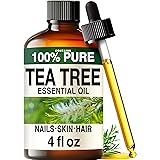
100% Pure Tea Tree Essential Oil 4 Fl Oz for Skin, Hair, Scalp and Nails | Melaleuca GC/MS Tested, Non-GMO, No Fillers, Undiluted Dropper Bottle - for Face, Toenail Care, Diffuser, Aromatherapy
$9.99 (as of September 14, 2026 14:03 GMT +00:00 - More infoProduct prices and availability are accurate as of the date/time indicated and are subject to change. Any price and availability information displayed on [relevant Amazon Site(s), as applicable] at the time of purchase will apply to the purchase of this product.)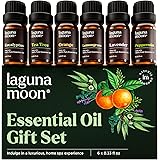
Lagunamoon Essential Oils Aromatherapy Set - 6 Oils for Diffusers, Home Care, Candle Making Scents, Fragrance, Humidifiers, Gifts - Peppermint, Tea Tree, Lavender, Eucalyptus, Orange (10mL)
$8.46 (as of September 14, 2026 14:03 GMT +00:00 - More infoProduct prices and availability are accurate as of the date/time indicated and are subject to change. Any price and availability information displayed on [relevant Amazon Site(s), as applicable] at the time of purchase will apply to the purchase of this product.)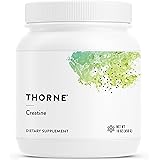
THORNE Creatine, Micronized Creatine Monohydrate Powder, 90 Servings | Supports Lean Muscle Mass, Endurance & Cognitive Function*, Unflavored, 5 g per Serving, NSF Certified for Sport
$44.00 (as of September 14, 2026 14:03 GMT +00:00 - More infoProduct prices and availability are accurate as of the date/time indicated and are subject to change. Any price and availability information displayed on [relevant Amazon Site(s), as applicable] at the time of purchase will apply to the purchase of this product.)
Physician's CHOICE Probiotics 60 Billion CFU - 10 Strains + Organic Prebiotics - Immune, Digestive & Gut Health - Supports Occasional Constipation, Diarrhea, Gas & Bloating - for Women & Men - 30ct
$21.35 (as of September 14, 2026 14:03 GMT +00:00 - More infoProduct prices and availability are accurate as of the date/time indicated and are subject to change. Any price and availability information displayed on [relevant Amazon Site(s), as applicable] at the time of purchase will apply to the purchase of this product.)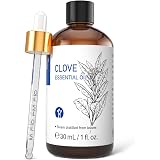
HIQILI Clove Essential Oil for Teeth and Gums, Aromatherapy, Skin Care | Clove Oil for Oral Care, Hair Care, Diffuser, DIY Cleaning Spray, Candle and Soap Making — 30mL / 1.01 fl oz
$6.88 (as of September 14, 2026 14:03 GMT +00:00 - More infoProduct prices and availability are accurate as of the date/time indicated and are subject to change. Any price and availability information displayed on [relevant Amazon Site(s), as applicable] at the time of purchase will apply to the purchase of this product.)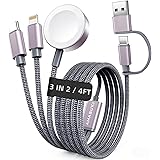
2026 Travel Essentials for Apple Watch Charger,Cruise Vacation Camping Essentials,iPhone Charger,Multi Charging Cable,3 in 2 Charging Docks for iWatch Series 11-2/Ultra,iPhone 17-12,Car
$9.99 (as of September 14, 2026 14:03 GMT +00:00 - More infoProduct prices and availability are accurate as of the date/time indicated and are subject to change. Any price and availability information displayed on [relevant Amazon Site(s), as applicable] at the time of purchase will apply to the purchase of this product.)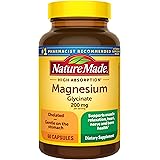
Nature Made Magnesium Glycinate 200 mg per Serving, 60 Capsules | High Absorption Magnesium Supplement for Muscle, Heart and Bone Support, Magnesium Bisglycinate Capsules, 30 Day Supply
$11.70 (as of September 14, 2026 14:03 GMT +00:00 - More infoProduct prices and availability are accurate as of the date/time indicated and are subject to change. Any price and availability information displayed on [relevant Amazon Site(s), as applicable] at the time of purchase will apply to the purchase of this product.)