By create_admin
Protein drives a lot of nutrition debates. Few topics create more confusion than the idea of a “complete” protein. For years people have been told that animal products are superior because they contain all nine essential amino acids in one place. This claim shaped how we talk about strength, recovery, and even what a “balanced” meal should look like.
But this belief is outdated. It leaves many people thinking plant foods are missing something important. The truth is far more supportive of anyone leaning toward a whole food plant based lifestyle.
What the Body Really Needs
Protein is not a single nutrient. It is a group of twenty amino acids that help build muscle, repair tissue, support hormones, and keep countless systems running. Nine of these amino acids are essential, meaning the body cannot produce them and must get them from food.
The common misunderstanding begins here. Many assume that because some plant foods contain lower amounts of certain amino acids, they are incomplete or inadequate. What gets overlooked is how the body actually works. It does not need all nine essential amino acids in every bite. It gathers amino acids from everything you eat across the entire day and assembles them as needed.
This one point breaks the myth wide open.
Plants Contain All Twenty Amino Acids
Every plant food carries amino acids. Beans, grains, nuts, seeds, vegetables, and soy all have their own profiles. Some foods have more of one amino acid and less of another, but that is true for animal foods too. No single food is meant to carry the entire load.
The body thrives on variety, not precision meal combining. The old idea that you must pair certain foods at the same meal has been debunked. The body builds complete proteins from the full mix of foods eaten over the course of the day.
To make things concrete, here are plant foods with strong amino acid profiles:
- Beans and lentils
- Whole grains such as oats, brown rice, quinoa, and barley
- Nuts and seeds including almonds, sunflower seeds, chia, pumpkin seeds, and hemp
- Soy foods like tofu and tempeh
- Vegetables such as potatoes, peas, broccoli, and leafy greens
Eating a mix of these easily covers your protein needs.
The WFPB Advantage: Abundance, Not Limitation
A whole food plant based diet is not about removing foods. It is about adding nutrient dense, fiber rich, antioxidant packed options that support total health. Beans, lentils, quinoa, tofu, tempeh, nuts, seeds, potatoes, and vegetables supply the essential building blocks your body uses every day.
Instead of protein coming packaged with saturated fat and zero fiber, as is common with animal foods, plant proteins come with:
- Fiber
- Minerals
- Vitamins
- Antioxidants
- Anti inflammatory compounds
These added benefits support digestion, blood sugar control, cardiovascular health, and long term wellness. Meeting protein needs becomes easy, and the added nutrition boosts the rest of your health at the same time.
Why Protein Labels Miss the Bigger Picture
Some plant foods are often labeled “complete” such as soy, quinoa, chia, and hemp. While accurate, this label still creates a division that does not reflect how the body functions. If you eat oatmeal with nuts, beans with rice, or hummus with whole grain bread, you are already meeting your amino acid needs without planning combinations.
Studies consistently show that people who eat a varied plant based diet meet or exceed recommended protein intake. Variety matters more than labels.
Strength and Performance on Plants
A common concern is whether plant based eaters can build muscle or train effectively. Many athletes still assume animal protein is required for strength, but more plant based athletes are proving otherwise. What matters most is total protein intake, calorie intake, and consistent training.
Muscle tissue responds to amino acids, not their source. Lentils and tofu supply the same usable amino acids as chicken or fish. Many athletes report better energy, improved digestion, and quicker recovery when plant foods form the base of their diet.
Plants support performance because they support the entire body, not just the muscles.
Clearing the Confusion for Good
The myth of complete protein persists because it has been repeated for decades. Once an idea settles in, it takes time to undo. But the truth is simple. Your body is fully capable of creating the proteins it needs when you give it real plant foods in a variety of forms.
The amino acids are present.
The nutrients are present.
The benefits are undeniable.
A whole food plant based diet is not missing anything. It is a sustainable, powerful way to meet all your protein needs while supporting overall health. When you look at the full picture, animal protein becomes optional, not essential. Plants provide the full set of nutritional gear. Your body does the rest.
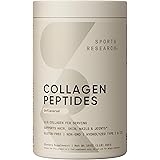
Sports Research Collagen Peptides - Hydrolyzed Type 1 & 3 Collagen Powder Protein Supplement for Healthy Skin, Nails, & Joints - Easy Mixing Vital Nutrients & Proteins, Collagen for Women & Men
$32.95 (as of March 16, 2026 20:01 GMT +00:00 - More infoProduct prices and availability are accurate as of the date/time indicated and are subject to change. Any price and availability information displayed on [relevant Amazon Site(s), as applicable] at the time of purchase will apply to the purchase of this product.)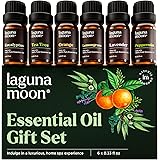
Lagunamoon Essential Oils Aromatherapy Set - 6 Oils for Diffusers, Home Care, Candle Making Scents, Fragrance, Humidifiers, Gifts - Peppermint, Tea Tree, Lavender, Eucalyptus, Orange (10mL)
$8.46 (as of March 16, 2026 19:45 GMT +00:00 - More infoProduct prices and availability are accurate as of the date/time indicated and are subject to change. Any price and availability information displayed on [relevant Amazon Site(s), as applicable] at the time of purchase will apply to the purchase of this product.)
Doctor's Best High Absorption Magnesium Glycinate Lysinate Supplement for Sleep Support - Chelated Magnesium Tablets for Women & Men, 200mg per Serving, Supports Calm & Relaxation, Vegan - 240 Count
$20.99 (as of March 16, 2026 20:01 GMT +00:00 - More infoProduct prices and availability are accurate as of the date/time indicated and are subject to change. Any price and availability information displayed on [relevant Amazon Site(s), as applicable] at the time of purchase will apply to the purchase of this product.)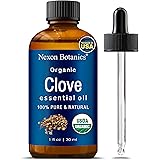
Organic Clove Essential Oil 30 ml - Pure, Natural, Undiluted for Toothache, Sore Muscles, Skin & Hair Care - Soothing Clove Bud Essential Oil - Nexon Botanics
$13.95 (as of March 16, 2026 19:45 GMT +00:00 - More infoProduct prices and availability are accurate as of the date/time indicated and are subject to change. Any price and availability information displayed on [relevant Amazon Site(s), as applicable] at the time of purchase will apply to the purchase of this product.)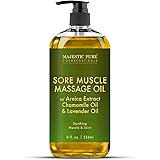
MAJESTIC PURE Arnica Sore Muscle Massage Oil for Massage Therapy - Refreshing and Relaxing - Natural Oils with Lavender & Chamomile Essential Oils - All Skin Types - Men & Women Massage Lotion-8 fl oz
$9.99 (as of March 16, 2026 19:45 GMT +00:00 - More infoProduct prices and availability are accurate as of the date/time indicated and are subject to change. Any price and availability information displayed on [relevant Amazon Site(s), as applicable] at the time of purchase will apply to the purchase of this product.)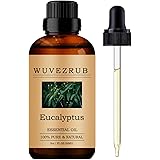
Wuvezrub Eucalyptus Essential Oil, 30ML 100% Pure and Natural, for Aromatherapy Diffuser, Skin Care, Cold Relief
$4.99 (as of March 16, 2026 19:45 GMT +00:00 - More infoProduct prices and availability are accurate as of the date/time indicated and are subject to change. Any price and availability information displayed on [relevant Amazon Site(s), as applicable] at the time of purchase will apply to the purchase of this product.)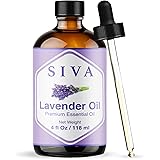
Siva Lavender Essential Oil - 4 Fl Oz – 100% Natural Lavender Oil - for Diffuser, Face, Skin Care, Aromatherapy, Hair Care, Scalp and Body Massage - with Dropper
$9.99 (as of March 16, 2026 19:45 GMT +00:00 - More infoProduct prices and availability are accurate as of the date/time indicated and are subject to change. Any price and availability information displayed on [relevant Amazon Site(s), as applicable] at the time of purchase will apply to the purchase of this product.)