By create_admin
When people talk about environmental action, they often focus on recycling, transportation, or energy use. Yet one of the most direct ways to support the planet sits on our plate. Food production drives a massive portion of global resource use, especially when it comes to water and land. Understanding this difference is the key to unbinding from the environmental gear and choosing habits that support long term planetary health.
Animal agriculture requires a staggering amount of fresh water and habitable land compared to plant based food production. This imbalance often goes unnoticed, but once you see the numbers and the patterns behind them, the picture becomes clear. What we choose to eat shapes the world around us, for better or worse.
The Real Impact of Resource Use
Most people know raising animals takes more resources than growing plants, but the scale is rarely understood. Water, land, and energy are all part of the equation, but water and land create the most measurable differences.
Producing beef requires enormous amounts of water. Cattle need water for drinking, for the crops grown to feed them, and for the processes used to manage their waste. By comparison, producing one calorie of plant based food uses only a fraction of this water because plants are consumed directly rather than filtered through an animal first.
Land use follows the same pattern. Animals need grazing land, feed crops, barns, and infrastructure. Plants need soil, sunlight, and nutrient cycling, which can be managed far more efficiently. Growing plants for direct human consumption uses far less land, leaving more space for forests, wild habitats, and healthy ecosystems.
These differences matter because land and water are not abstract resources. They are the foundation of life. When they are stretched, drained, or degraded, every part of the environment feels the impact.
The Unbinding Point: Why This Matters Now
Animal agriculture uses a highly disproportionate share of the planet’s resources. Here is a simple comparison that reveals the gap:
- Producing one calorie of beef requires far more water than producing one calorie of grains or legumes
- Cattle grazing and feed production take up large portions of habitable land
- Many regions experience land degradation due to overgrazing and feed crop expansion
- Water systems face stress from runoff, contamination, and excessive use tied to livestock farms
These are not small differences. They show a pattern where animal based foods pull heavily from limited resources, while plant based foods use those same resources more efficiently.
When you step back and view the environmental gear as a whole, the unbinding point becomes clear. Shifting toward plant based eating directly reduces the pressure placed on the planet’s land and water systems. Even small changes accumulate into meaningful environmental relief.
Why WFPB Eating Supports Planetary Stewardship
A whole food plant based approach offers more than personal health benefits. It aligns with a lifestyle that respects Earth’s limits and protects the ecosystems that keep life thriving. By choosing plant based foods, you reduce the demand for land used to raise livestock and grow feed crops. You also help decrease the strain on freshwater systems, which are already under pressure from drought, pollution, and climate change.
Plant foods carry an efficiency that animal foods simply cannot match. They require less land, less water, and fewer inputs because there is no intermediate step. You grow the food. You eat the food. Nothing is lost to feeding and maintaining an animal first.
This connection to planetary stewardship fits naturally with the Taurus Earth theme. Taurus represents groundedness, stability, and a deep relationship with the natural world. When you choose foods that support soil health, protect water systems, and reduce environmental stress, you reinforce that connection. You act in alignment with a slower, more sustainable rhythm that respects the planet’s capacity.
A Closer Look at Water and Land Depletion
Fresh water is one of the most precious resources on the planet. Only a small percentage is usable for drinking, cooking, and food production. As global populations grow, so does the strain on lakes, rivers, and aquifers. Animal agriculture is one of the largest contributors to this strain because it requires so much water at every stage of production.
Land faces a similar problem. Much of the world’s habitable land is already used for livestock or feed. This limits space for forests, natural habitats, and biodiversity. When land is overused or degraded, it loses its ability to store carbon, support wildlife, or maintain healthy soil. The results ripple outward in the form of climate change, species loss, and weaker ecosystems.
By shifting toward WFPB eating, you help reduce this demand. More land can be restored, more forests can grow, and more water can remain available for communities and natural systems.
Reducing the Environmental Gear for Good
The environmental gear is not about guilt. It is about awareness and power. It shows that the choices we make each day have a real impact on the planet we depend on. When you choose plant based meals, you move toward a food system that respects Earth’s natural boundaries. You support healthier soil, cleaner water, and a more stable climate.
Most of all, you reclaim your connection to the planet by choosing foods that work with nature rather than against it. This is the heart of Taurus Earth energy. Steady. Grounded. Protective.
Your diet becomes a daily act of stewardship. WFPB eating gives you the tools to support your health and the planet at the same time. You unbind from old habits and move toward a way of living that honors the land beneath your feet and the water that sustains all life.
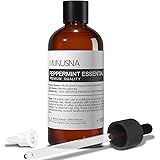
MUNUSNA Peppermint Essential Oil, 100% Pure & Natural Peppermint Oil 100ML, Premium Grade Aromatherapy Oil for Skin Body Hair Care, Freshening Air, Mood, Diffuser, Massage, Soap and Candle Making
$6.07 (as of March 16, 2026 19:45 GMT +00:00 - More infoProduct prices and availability are accurate as of the date/time indicated and are subject to change. Any price and availability information displayed on [relevant Amazon Site(s), as applicable] at the time of purchase will apply to the purchase of this product.)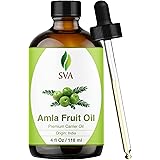
SVA Amla Oil 4oz (118ml) Premium Carrier Oil With Dropper For Hair Care, Hair Oiling, Scalp Massage, & Skin Care
$9.99 (as of March 16, 2026 19:45 GMT +00:00 - More infoProduct prices and availability are accurate as of the date/time indicated and are subject to change. Any price and availability information displayed on [relevant Amazon Site(s), as applicable] at the time of purchase will apply to the purchase of this product.)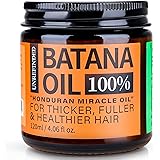
Batana Oil for Hair Growth Dr Sebi, 100% Raw Organic Batana Hair Mask from Honduras, Wild Growth Hair Oil, Scalp Oil Promotes Hair Thickness, Prevents Loss for Men & Women, 4.06 fl oz
$24.99 (as of March 16, 2026 19:45 GMT +00:00 - More infoProduct prices and availability are accurate as of the date/time indicated and are subject to change. Any price and availability information displayed on [relevant Amazon Site(s), as applicable] at the time of purchase will apply to the purchase of this product.)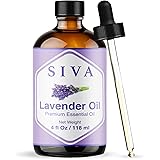
Siva Lavender Essential Oil - 4 Fl Oz – 100% Natural Lavender Oil - for Diffuser, Face, Skin Care, Aromatherapy, Hair Care, Scalp and Body Massage - with Dropper
$9.99 (as of March 16, 2026 19:45 GMT +00:00 - More infoProduct prices and availability are accurate as of the date/time indicated and are subject to change. Any price and availability information displayed on [relevant Amazon Site(s), as applicable] at the time of purchase will apply to the purchase of this product.)
Handcraft Blends Organic Castor Oil 16 Fl Oz | 100% Pure and Natural | Premium Grade Carrier Oil | Hair, Eyelashes and Eyebrows | Hair and Body | Expeller-Pressed | Hexane-Free
$9.99 (as of March 16, 2026 19:45 GMT +00:00 - More infoProduct prices and availability are accurate as of the date/time indicated and are subject to change. Any price and availability information displayed on [relevant Amazon Site(s), as applicable] at the time of purchase will apply to the purchase of this product.)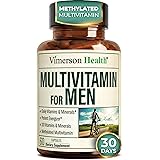
Multivitamin for Men with Methylated Vitamins and Chelated Minerals for Energy, Focus and Immune Health – Premium Daily Mens Multivitamins & Multiminerals – 60 Capsules
$24.97 (as of March 16, 2026 20:01 GMT +00:00 - More infoProduct prices and availability are accurate as of the date/time indicated and are subject to change. Any price and availability information displayed on [relevant Amazon Site(s), as applicable] at the time of purchase will apply to the purchase of this product.)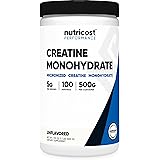
Nutricost Creatine Monohydrate Micronized Powder 500G, 5000mg Per Serv (5g) - 100 Servings, 17.9 Oz
$20.75 (as of March 16, 2026 20:01 GMT +00:00 - More infoProduct prices and availability are accurate as of the date/time indicated and are subject to change. Any price and availability information displayed on [relevant Amazon Site(s), as applicable] at the time of purchase will apply to the purchase of this product.)