By create_admin
Wealth isn’t just about numbers—it’s about mindset, clarity, and consistency. Surprisingly, the path to financial wellness may begin not with a spreadsheet, but with your breath, your body, and your mind. Mindfulness practices like yoga and meditation can rewire your habits and reshape how you relate to money.
Money Stress Is Mental Stress
Most people make financial decisions under stress—fight-or-flight mode. When cortisol spikes, rational thinking drops. You start chasing quick fixes: impulsive spending, avoidance, or poor investments. Chronic financial anxiety becomes a loop that’s hard to break without mental discipline.
That’s where mindfulness comes in. When you learn to pause, breathe, and observe your thoughts, you create space between impulse and action. That space is where better financial choices happen.
Meditation Builds Awareness—and That Changes Everything
When you meditate regularly, you build what psychologists call “metacognition”—the ability to step back and observe your thoughts without reacting. This skill is a superpower when it comes to money:
- You spot self-sabotaging financial patterns.
- You stop comparing yourself to others.
- You learn to delay gratification.
- You spend intentionally instead of emotionally.
It’s not about becoming a monk—it’s about becoming more conscious.
Yoga as Discipline, Patience, and Control
Yoga isn’t just about flexibility—it’s training for focus and resilience. Holding a pose when your muscles burn teaches you to sit with discomfort instead of escaping it. That lesson translates directly to managing money: resisting impulsive buys, sticking to a budget, investing for the long haul.
The physical benefits—lower blood pressure, reduced anxiety, better sleep—also give you a mental edge when tackling money challenges.
From Scarcity to Abundance
Many of us were raised in a scarcity mindset: fear of not having enough, believing wealth is for “others,” or thinking more money = more stress. Mindfulness breaks this programming.
Meditation can help you:
- Cultivate gratitude for what you already have
- See opportunities instead of problems
- Focus on value over volume
- Detach self-worth from net worth
When you feel abundant internally, your external financial world starts to shift.
Conscious Spending: A Practice, Not a Budget
Traditional budgeting can feel restrictive. Mindful spending is about alignment. Ask:
- Does this purchase match my values?
- Am I spending to impress or to enrich?
- Is this need real—or reactionary?
Yoga and meditation strengthen your ability to listen to these deeper signals, not just surface cravings.
Practical Steps to Align Mind and Money
- Start a morning stillness routine. Just 5–10 minutes of meditation sets a calm tone for the day.
- Do yoga 3–4 times per week. Even short sessions help reduce money-related stress.
- Journal about spending triggers. Notice what emotional states lead to purchases.
- Practice gratitude daily. It shifts your focus from lack to sufficiency.
- Set intentions before financial decisions. This slows down impulsivity and invites clarity.
Final Word: Wealth Starts Within
You don’t have to be rich to think like someone who is. And you don’t need a perfect financial plan—you need presence. Breathwork, movement, and mindfulness help you stay grounded in what matters and make money choices from strength, not stress.
Financial health isn’t separate from mental health. They feed each other. And with a clear mind, a calm nervous system, and a strong sense of purpose, you’re already richer than you think.

SU JUABA Peppermint Oil 4 Fl Oz, 100% Pure & Natural Aromatherapy Oil for Spray, Diffuser, Skin, Hair - 118ML
$7.99 (as of March 16, 2026 19:45 GMT +00:00 - More infoProduct prices and availability are accurate as of the date/time indicated and are subject to change. Any price and availability information displayed on [relevant Amazon Site(s), as applicable] at the time of purchase will apply to the purchase of this product.)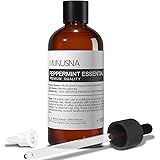
MUNUSNA Peppermint Essential Oil, 100% Pure & Natural Peppermint Oil 100ML, Premium Grade Aromatherapy Oil for Skin Body Hair Care, Freshening Air, Mood, Diffuser, Massage, Soap and Candle Making
$6.07 (as of March 16, 2026 19:45 GMT +00:00 - More infoProduct prices and availability are accurate as of the date/time indicated and are subject to change. Any price and availability information displayed on [relevant Amazon Site(s), as applicable] at the time of purchase will apply to the purchase of this product.)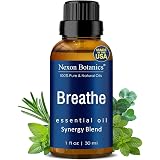
Breathe Essential Oil Blend 30 ml - Breath Sinus Relief with Menthol Oils - for Humidifiers, Diffusers, and Aromatherapy - Nexon Botanics
$12.50 (as of March 16, 2026 19:45 GMT +00:00 - More infoProduct prices and availability are accurate as of the date/time indicated and are subject to change. Any price and availability information displayed on [relevant Amazon Site(s), as applicable] at the time of purchase will apply to the purchase of this product.)
Garden of Life Once Daily Dr. Formulated Probiotics for Women 50 Billion CFU 16 Probiotic Strains with Organic Prebiotics for Digestive, Vaginal & Immune Health, Dairy Free, Shelf Stable 30 Capsules
$29.75 (as of March 16, 2026 20:01 GMT +00:00 - More infoProduct prices and availability are accurate as of the date/time indicated and are subject to change. Any price and availability information displayed on [relevant Amazon Site(s), as applicable] at the time of purchase will apply to the purchase of this product.)
Cliganic Organic Lavender Essential Oil - 100% Pure Natural Undiluted, for Aromatherapy Diffuser | Non-GMO Verified (Packaging May Vary)
$8.99 (as of March 16, 2026 19:45 GMT +00:00 - More infoProduct prices and availability are accurate as of the date/time indicated and are subject to change. Any price and availability information displayed on [relevant Amazon Site(s), as applicable] at the time of purchase will apply to the purchase of this product.)
Seed DS-01 Daily Synbiotic - Prebiotic and Probiotic for Women & Men - Digestive Health, Gut Health, Immune Support, Bloating & Constipation Relief - Vegan & Shelf-Stable - 60 Capsules (30-Day Supply)
$59.99 (as of March 16, 2026 20:01 GMT +00:00 - More infoProduct prices and availability are accurate as of the date/time indicated and are subject to change. Any price and availability information displayed on [relevant Amazon Site(s), as applicable] at the time of purchase will apply to the purchase of this product.)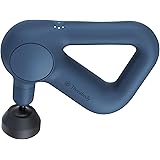
TheraGun Therabody Relief Handheld Percussion Massage Gun - Easy-to-Use, Comfortable & Light Personal Massager for Every Day Pain Relief Massage Therapy in Neck, Back, Leg, Shoulder and Body (Navy)
$109.98 (as of March 16, 2026 19:45 GMT +00:00 - More infoProduct prices and availability are accurate as of the date/time indicated and are subject to change. Any price and availability information displayed on [relevant Amazon Site(s), as applicable] at the time of purchase will apply to the purchase of this product.)