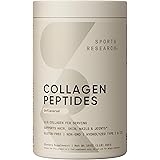
By thegroundedpath
You’re not tired — you’re underexposed.
Natural sunlight isn’t just nice. It’s necessary. Our bodies evolved to function with daily light exposure. Without it, things go off track.
Why Sunlight Matters
Sunlight regulates your:
- Circadian rhythm (your body’s internal clock)
- Hormone production (melatonin, serotonin, cortisol)
- Mood and focus
- Vitamin D levels
When you get sunlight in the morning, your body knows it’s time to wake up and stay alert. In the evening, darkness tells your brain it’s time to wind down.
Mental Health Benefits
Sunlight boosts serotonin, your brain’s feel-good chemical. Low sunlight = low serotonin = higher risk of depression and seasonal affective disorder (SAD).
More sunlight means:
- More energy
- Better focus
- Greater emotional stability
Physical Health Benefits
- Vitamin D: Vital for immune function, bone strength, and hormone balance.
- Blood pressure: Sunlight helps your blood vessels relax.
- Metabolism: Supports insulin sensitivity and weight balance.
How Much Sun Do You Need?
- 15–30 minutes a day with skin exposed (arms, face).
- Best time: early morning (before 10am) or late afternoon (after 4pm).
- If you’re fair-skinned, start with shorter exposure.
Is Sunscreen Bad?
Not at all — but it blocks most UVB, which your body uses to make vitamin D. Try a short, unprotected exposure before applying sunscreen, depending on your risk tolerance and skin type.
What If You Can’t Get Outside?
Use a light therapy lamp — especially in winter. Just 20 minutes each morning can help reset your rhythm and mood.
Also helpful:
- Open your blinds
- Work near windows
- Take breaks outside
Final Thoughts
Sunlight isn’t a luxury. It’s a biological need.
Start your day with natural light. Let it hit your eyes and skin. Skip the sunglasses for a few minutes. Let your body remember what it feels like to run on solar power.
This is real wellness — and it’s free.
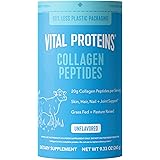
Vital Proteins Collagen Peptides Powder - Supports Hair, Nail, Skin, Bone & Joint Health, Unflavored, Collagen Protein 9.33 OZ
$18.65 (as of March 16, 2026 20:01 GMT +00:00 - More infoProduct prices and availability are accurate as of the date/time indicated and are subject to change. Any price and availability information displayed on [relevant Amazon Site(s), as applicable] at the time of purchase will apply to the purchase of this product.)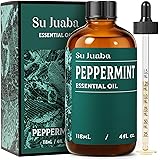
SU JUABA Peppermint Oil 4 Fl Oz, 100% Pure & Natural Aromatherapy Oil for Spray, Diffuser, Skin, Hair - 118ML
$7.99 (as of March 16, 2026 19:45 GMT +00:00 - More infoProduct prices and availability are accurate as of the date/time indicated and are subject to change. Any price and availability information displayed on [relevant Amazon Site(s), as applicable] at the time of purchase will apply to the purchase of this product.)
Vital Proteins Collagen Peptides Powder Advanced with Hyaluronic Acid & Vitamin C, 20oz Collagen Protein, Unflavored, 27 Servings
$42.99 (as of March 16, 2026 20:01 GMT +00:00 - More infoProduct prices and availability are accurate as of the date/time indicated and are subject to change. Any price and availability information displayed on [relevant Amazon Site(s), as applicable] at the time of purchase will apply to the purchase of this product.)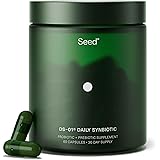
Seed DS-01 Daily Synbiotic - Prebiotic and Probiotic for Women & Men - Digestive Health, Gut Health, Immune Support, Bloating & Constipation Relief - Vegan & Shelf-Stable - 60 Capsules (30-Day Supply)
$59.99 (as of March 16, 2026 20:01 GMT +00:00 - More infoProduct prices and availability are accurate as of the date/time indicated and are subject to change. Any price and availability information displayed on [relevant Amazon Site(s), as applicable] at the time of purchase will apply to the purchase of this product.)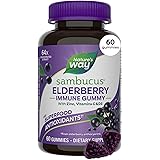
Nature’s Way Sambucus Elderberry Gummies, Immune Support Gummy for Adults & Kids Ages 4+ with Black Elderberry Extract, Vitamin C, Vitamin D3, and Zinc*, 60 Gummies
$12.69 (as of March 16, 2026 20:01 GMT +00:00 - More infoProduct prices and availability are accurate as of the date/time indicated and are subject to change. Any price and availability information displayed on [relevant Amazon Site(s), as applicable] at the time of purchase will apply to the purchase of this product.)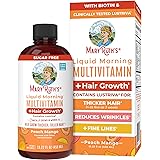
MARYRUTH'S Liquid Multivitamin+Hair Growth | Biotin 10000mcg | Lustriva Hair Growth Supplement | Clinically Tested in Women for Thicker Hair&Facial Wrinkle | Skin Care | Ages 18+ | 15.22 Fl Oz
$38.95 (as of March 16, 2026 20:01 GMT +00:00 - More infoProduct prices and availability are accurate as of the date/time indicated and are subject to change. Any price and availability information displayed on [relevant Amazon Site(s), as applicable] at the time of purchase will apply to the purchase of this product.)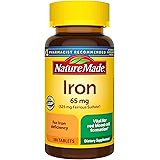
Nature Made Iron 65 mg (325 mg Ferrous Sulfate) Tablets, Iron Supplements, Dietary Supplement for Red Blood Cell Support, 180 Tablets, 180 Day Supply
$5.49 (as of March 16, 2026 20:01 GMT +00:00 - More infoProduct prices and availability are accurate as of the date/time indicated and are subject to change. Any price and availability information displayed on [relevant Amazon Site(s), as applicable] at the time of purchase will apply to the purchase of this product.)